
Fear of the first sexual experience in women is one of the leading causes of vaginismus in our country. In fact, in some sources, vaginismus is even described as “fear of the first night.”
Incorrect, exaggerated, and unrealistic stories about the first night often fill young minds from childhood onward. When the time for marriage comes, these fears may lead to vaginismus, a condition characterized by the inability to have sexual intercourse.
These unrealistic and overly dramatized stories, passed from person to person, are known as sexual myths.
The most common myths include claims that the first night will be extremely painful and difficult, that tearing of the hymen will cause severe pain, that the first night involves heavy bleeding, and even that excessive bleeding could lead to death. Additionally, a partner’s inexperience with sexual intercourse can increase anxiety about the first experience.
Other fears include the belief that the penis might go into the wrong place during intercourse—such as entering the urinary tract or anus and causing harm. Another myth is “penis captivus,” the belief that the partners may become physically “locked” together during intercourse.
Fear of the first sexual experience in both women and men can be prevented through accurate sexual education provided first by families and later by schools, starting at an early age.
Since sexual identity begins forming around the age of three, age-appropriate information should be provided early. The type of sexual knowledge and messages children need differs by age. Providing correct information helps prevent the development of unnecessary anxiety caused by exaggerated or false information encountered later in life.
First-night fear is frequently seen in young women who grow up without adequate sexual education. It occurs more often in conservative and protective family structures. However, it may also be observed in women raised in more modern settings who have strong self-control, heightened anxiety, or a low pain threshold.
To overcome first-night fear, learning accurate information is extremely important. Couples who are about to get married and have no prior sexual experience should receive basic knowledge about genital anatomy and physiology before marriage. They can benefit from sexual health books, encyclopedias, and reliable websites.
If, despite general knowledge, intense muscle contractions occur during intercourse due to fears of pain, soreness, or bleeding, the problem may have progressed into vaginismus. In this case, specific vaginismus treatment methods become necessary to resolve first-night fears.
According to our own statistics, a portion of vaginismus patients (approximately one in five) are excessively influenced by the sexual myth of “penis captivus,” which prevents them from engaging in intercourse with their partners. Penis captivus is a widely known sexual myth describing a situation where, during intercourse, the woman involuntarily contracts and traps the penis inside the vagina, causing a “locking” event, after which the couple is supposedly taken to the emergency room wrapped in a blanket.
This event is entirely imaginary. It is interesting that similar urban legends exist in different countries and cultures.
Sexual myths can become embedded in the subconscious starting in adolescence and may lead to first-night fears. These stories, often heard during social gatherings, home visits, or online forums, may cause the woman during her first sexual experience to withdraw, close herself off, or push her partner away. These reactions stem from an instinctive self-protection mechanism linked to previously heard “first-night stories.”
Most of the time, these involuntary behaviors during sexual activity do not have a clearly understood reason for the individual and are revealed during sexual therapy sessions.
Similar to women, men can also experience first-night fear. Fear, excessive excitement, sweating, and palpitations during intercourse in men are usually due to lack of sexual knowledge and experience. Experiencing intercourse for the first time at an older age may increase these fears.
In men, first-night fear may manifest as premature ejaculation shortly after erection due to activation of the sympathetic nervous system. Treatment involves cognitive-behavioral sexual therapies using systematic desensitization techniques, similar to those used in vaginismus treatment.

 How Does Vaginismus Problem Occur? A 3D Animated MovieHow Does Vaginismus Problem Occur? A 3D Animated Movie
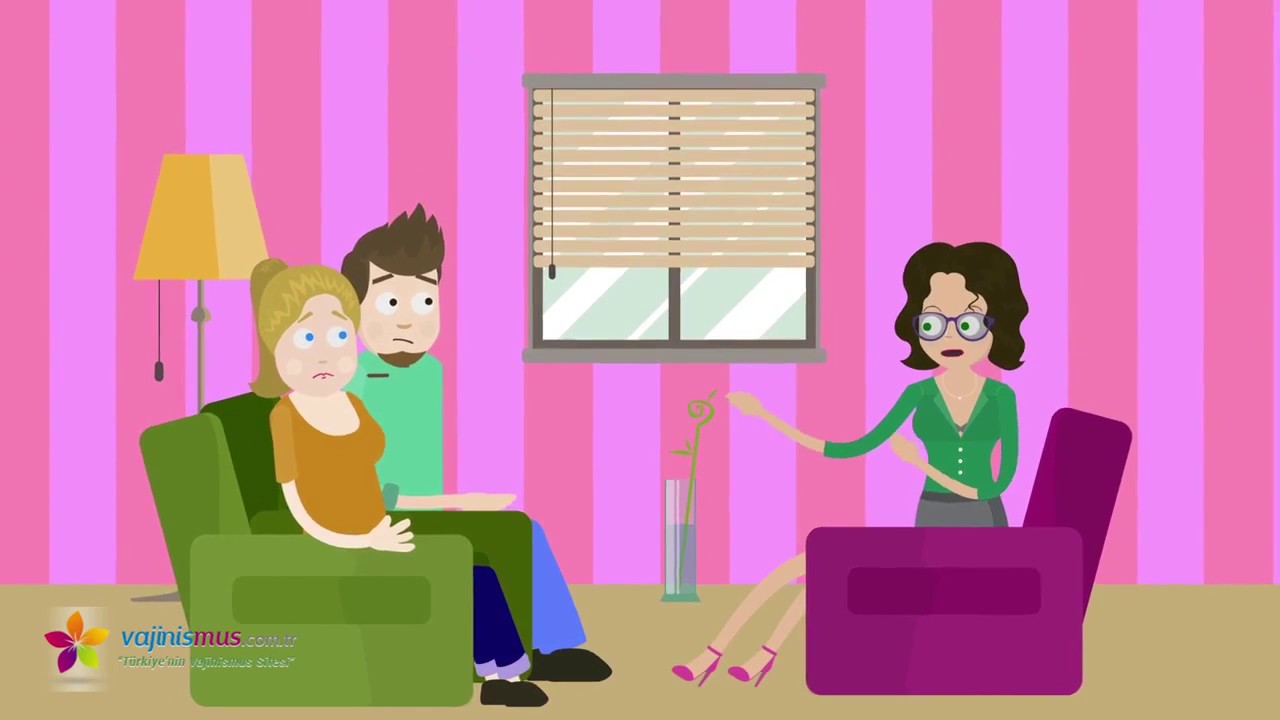 How did I overcome my vaginismus problem?How did I overcome my vaginismus problem?Assoc. Prof. Süleyman Eserdağ, MDCosmetic Gynecologist & Sexual Therapist
 Türkçe
 English

